
Yes, it's worth visiting the Algarve off-season. Between October and April, the region keeps one of the mildest climates in Europe, with highs around 16 to 22 °C in the middle of winter, and swaps the July crowds for quiet towns and holiday homes at a fraction of the high-season price.
The sea turns cold for long swims, but the sun keeps company with those who come to walk the cliffs, sample the food without queues and discover cities like Tavira or Lagos at their real pace, away from summer.
Is it worth visiting the Algarve off-season?
It's worth it if you're after mild sun, low prices and quiet, rather than beach heat and a warm sea. The Algarve off-season — from October to April — remains one of the sunniest regions in Europe in winter, with bright days and highs that rarely drop below 15 °C. What changes is the atmosphere: the beaches empty, accommodation prices fall into low season and the region reveals a more authentic side, far from summer.
The trade-off is simple and honest: the sea turns cold, some days bring rain and part of the seasonal services reduce their hours. Those who accept swapping sea swimming for walks, food without queues and cities lived at the pace of those who live there, find here the best value for money of the whole year. To understand how prices vary across the months, it helps to first read our month-by-month price calendar.
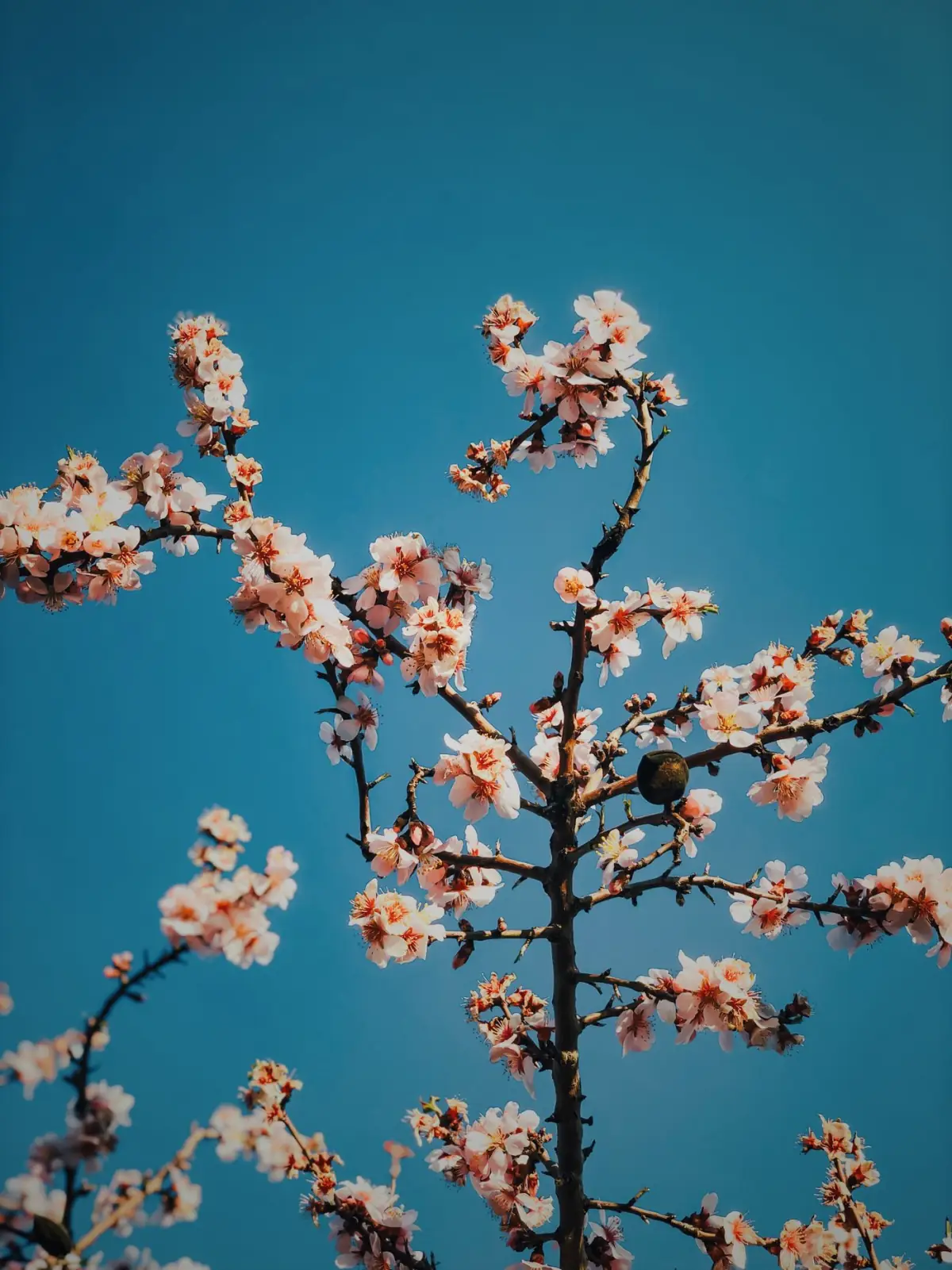
It's also worth distinguishing winter from spring. The heart of winter (December to January) is cooler and more changeable; spring starts early, with February bringing the almond trees in blossom and March and April warming the days to 19–22 °C. If you want the best compromise between mild climate, green landscape and low prices, off-season spring is hard to beat.
What is the Algarve's climate like in winter and spring?
The Algarve's off-season climate is Mediterranean and mild: highs of around 16–17 °C in the coldest months (December to February) rising to 19–22 °C in March and April. The region benefits from many hours of sun even in winter, with days that are often clear, broken by spells of rain, above all between November and February.
Air temperature month by month
January and February are the coolest months, but far from the cold of northern Europe: at lunchtime, a light jacket is usually enough. From March, the days lengthen and warm up noticeably, and April already allows open-air meals on most days. The nights, though, call for warm layers all year round outside summer.
Sea temperature
The sea is the big difference compared with summer. In winter it drops to around 15–16 °C and only warms up again from late spring. In the Barlavento (Lagos, Sagres) the water is typically colder and wilder; in the Sotavento (Tavira, Monte Gordo), protected by the Ria Formosa, it tends to be a few degrees warmer. Long swims are for those who don't mind cold water — for everyone else, there's the pleasure of walking on the wet sand.
| Period | Weather | Sea | Atmosphere |
|---|---|---|---|
| Autumn (Oct–Nov) | Mild, first rains | Still mild early on | Calm, great for beach without heat |
| Winter (Dec–Feb) | Cool but sunny, max 16–17 °C | Cold (≈15 °C) | Very quiet, empty towns |
| Spring (Mar–Apr) | Gentle to warm, max 19–22 °C | Warming slowly | Green, flowers, long days |
The table above sums up the logic of the low season: the closer to summer, the warmer the air and the water, but also the more demand and the higher the price. The sweet spot for most travellers is spring, which pairs long, mild days with still-low rates. To choose the right window for your goal, our guide on when to book Algarve holidays goes into detail.
What to do in the Algarve outside the beach season?
Outside the beach season, the Algarve lives on walks, food, golf and historic cities. Without the heat and crowds of summer, activities that would be exhausting in August become the best of the programme: cliff trails, fish markets, castles and spas take on new life when the temperature is around a pleasant 18 °C.
Walking the cliffs and the hills
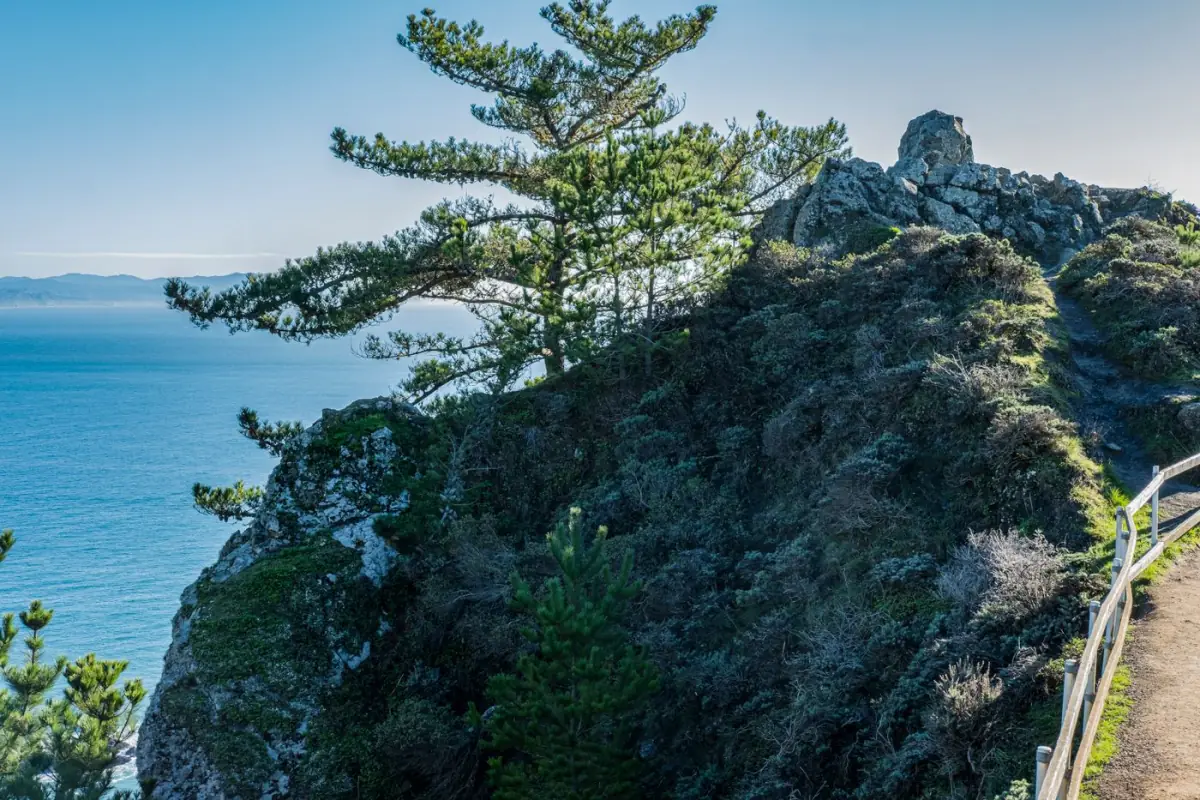
Winter and spring are the season of choice for walking in the Algarve. The Seven Hanging Valleys Trail, between Marinha and Benagil, and the Rota Vicentina, along the wild coast of Aljezur and Sagres, stay cool and clear. In the hills, Monchique — about 65 km from Faro Airport — turns green and scented with eucalyptus, with the Fóia offering the highest view in the Algarve. We've gathered the best routes in the guide to trails and walks in the Algarve.
Cities, culture and food
It's also the time to get to know the cities properly. Tavira, with its churches and the bridge over the Gilão, and Lagos, with its walled historic centre, show themselves without the summer squeeze. Silves keeps its red sandstone castle, and the food — cataplana, grilled fish, Ria Formosa oysters — can be enjoyed without booking weeks ahead. Golf, concentrated in the Golden Triangle of Vilamoura, Quinta do Lago and Vale do Lobo, has in winter its favourite technical season, with greens in good condition and gentler rates. For a complete plan of these stops, the 7-day Algarve itinerary helps.
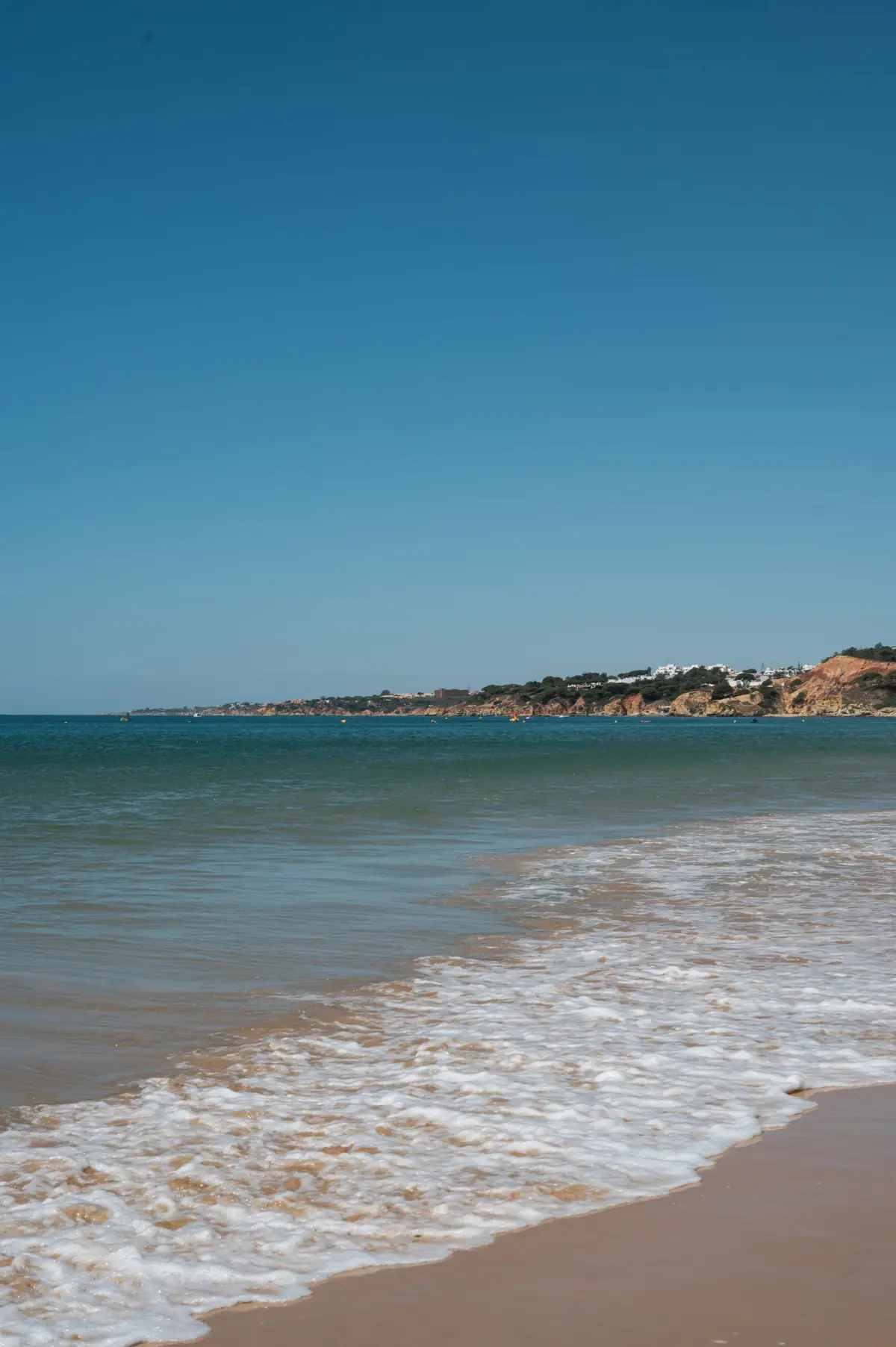
Even the beach enters the programme, only with another purpose. A sunny day at Praia da Marinha or Meia Praia in January is made of long walks on the sand, photography of the golden cliffs and a coffee facing a sea you have all to yourself. It's a different Algarve, but no less captivating.
How much do you save in price and quiet off-season?
The saving is the biggest advantage of the low season: holiday home rentals enter the low season (November to March), with rates that often fall below half of what you pay in August. Without the pressure of demand, there's more choice, more date flexibility and room for longer stays on the same budget.
The price bands per night in the Algarve vary a lot with the season, how far ahead you book and the length of stay. As an indicative reference to the difference between seasons, an apartment that costs a certain amount in the middle of summer tends to drop sharply from November to March. These values vary with the dates — always confirm on each home's page. For the full detail by type and area, see how much it costs to rent a holiday home in the Algarve.
- Less demand, more choice — homes that sell out months ahead in summer remain available with just a few days' notice.
- Cheaper long stays — many owners offer a discount for weeks or months, ideal for remote working.
- Quiet towns — Albufeira, Lagos or Carvoeiro recover their human scale outside high season.
- Services without queues — restaurants, markets and clear roads make the days lighter.
Quiet is the other half of the deal. Anyone who has visited the Algarve in August and in January knows they seem like two destinations. Off-season, you swap the nightlife for calm, and the gain in rest quality more than makes up for those travelling to recharge.
What's the best of each month, from October to April?
Each off-season month has its own character, and the best time depends on what you're after. October is the gentle extension of summer; February brings the almond trees in blossom; April offers long, mild days before prices rise. Knowing the rhythm of each month helps you choose the right trip.
| Month | Highlight | Ideal for |
|---|---|---|
| October | Sea still mild, generous sun | Beach without heat, last swims |
| November | Total calm, first rains | Quiet, low prices, walks |
| December | Christmas lights in the towns | Quiet getaway, calm year's end |
| January | Bright, cool days | Golf, trails, rest |
| February | Almond trees in blossom | Photography, early spring |
| March | Lengthening days, green hills | Walks, cities, nature |
| April | Mild and bright, Easter | The best climate/price compromise |
The table shows why the low season isn't all the same. Those who still want to catch some sun and perhaps a last dip aim for October; those seeking absolute silence and the lowest prices prefer November to January; and those who want spring breaking through, with flowers and long days, choose February to April. Easter is the exception: a short spike in demand that pushes prices up for a few days, so it's worth booking early if you travel that week.
Who gains most from the low season?
Those who gain most from the low season are the ones who value price, space and calm above sea swimming: retirees, digital nomads, couples and families with young children outside the school calendar. For these profiles, the Algarve off-season solves almost all the pains of planning a holiday — cost, crowds and availability.
Retirees and long stays
Many northern Europeans spend the whole winter in the Algarve, drawn by the combination of mild climate and affordable cost of living. Off-season monthly rental rates make a one- or two-month stay viable, with the advantage of escaping the cold and darkness of northern Europe between November and March.
Digital nomads and couples
For those working remotely, the low season offers spacious homes with good Wi-Fi at prices that would be unthinkable in summer, and sunny days to close the laptop in the late afternoon and go for a walk. Couples find a romantic, quiet Algarve, ideal for weekend getaways — a theme we explore in the guide Algarve for couples.
Those who travel mainly for the beach, the warm sea and the nightlife will gain more in high season or in the hinge months of May, June and September. The low season rewards the traveller who comes for the region itself — for the landscape, the food and the calm — and not just for the sun-filled sands of August.
Where to stay in the Algarve off-season?
For an off-season holiday, the best bases are the towns that keep a life of their own in winter: Lagos, Albufeira, Tavira and Faro. Unlike purely touristy hubs, these have shops, dining and services open all year round, which avoids the ghost-town feeling that hits some small places between November and February.
Lagos (63 km from Faro Airport, with around 31,000 inhabitants) combines a lively historic centre, cliff beaches and easy access to the Costa Vicentina, making it a complete base for winter in the Barlavento. Albufeira (44,000 inhabitants, 26 km from the airport), although quieter outside high season, keeps services open and sits at the geographic centre of the Algarve, perfect for exploring in both directions. In the Sotavento, Tavira offers an especially mild winter, protected by the Ria Formosa and just 31 km from Faro.
Homes with a heated pool and good insulation
When choosing a home off-season, there are two details that make all the difference: heating and, if you want to swim, a heated pool. Not all Algarve homes have robust central heating, because they were designed for summer, so always confirm the heating system on the listing. Well-insulated apartments, like several available in Albufeira and Lagos, are usually the most comfortable and economical bet from November to March.
Among the options for the low season, there are practical apartments like the 2-bedroom apartment in Lagos, an ideal base for walks and the city, and, in Albufeira, the 2-bedroom apartment with pool in Albufeira and the 2-bedroom apartment with private pool in Albufeira, well placed to explore the centre of the Algarve. All these homes are booked direct on Homing, partner of Maré Algarve — with no platform commission and cheaper than Booking, Airbnb and Hotels.com.
Real-time availability and prices on Homing — book direct, cheaper than Booking, Airbnb and Hotels.com. Click «See dates and price».
Whatever the town, the criterion is the same: choose a base with life in winter, confirm the comfort of the home and book early to catch the best low-season rates. With the right choice, the Algarve off-season offers the rare luxury of a holiday that's mild, cheap and without crowds.
What to check before booking off-season?
Before booking off-season, confirm three things: the home's heating, the operating season of local services and the cancellation flexibility. These are the points where the low season differs most from summer and where a good check avoids surprises.
- Heating — ask what system the home has (warm air conditioning, central heating, fireplace) and whether the pool is heated, if you want to swim.
- Open services — in small towns, some restaurants and shops close in winter; choose bases with life all year round, like Lagos, Albufeira, Tavira or Faro.
- Access and transport — off-season there are fewer direct flights and fewer transfers; having a rental car gives much more freedom.
- Flexibility — confirm the cancellation policy, useful when winter weather is more unpredictable.
Once these points are checked, off-season booking becomes simple and safe. Booking direct on Homing adds the advantage of speaking with support in Portuguese, English, French and Spanish, and of paying without the hidden commission of the big platforms — a difference that, on a long winter stay, weighs on the final budget.
Sources and references
- Turismo do Algarve (Visit Algarve) — https://www.visitalgarve.pt/
- Wikipedia — Algarve — https://pt.wikipedia.org/wiki/Algarve
- IPMA — Instituto Português do Mar e da Atmosfera — https://www.ipma.pt/
- ICNF — Áreas protegidas e Rota Vicentina — https://www.icnf.pt/
Original editorial article by Maré Algarve, based on official sources (Turismo do Algarve, ICNF, ABAE/Blue Flag, IPMA, INE) and on our experience of holiday rentals in the Algarve. Prices and availability vary — always check each property's page.