
The best fresh seafood in the Algarve is eaten in the Sotavento, above all in Olhão, Santa Luzia and along the Ria Formosa, where the oyster and clam farms lie a few kilometres from the tables. It's here that the lagoon's warm water (reaching 22 °C in summer) creates the right conditions for quality shellfish. Olhão is just 11 km from Faro Airport and has the region's biggest fish market, which makes this area the natural starting point for any seafood food trip.
Where do you eat the best seafood in the Algarve?
The best fresh seafood in the Algarve is eaten in the Sotavento, the strip between Faro and the Spanish border. The reason is geographic: the Ria Formosa and the Tavira lagoon are systems of warm, brackish water where oysters and clams are farmed, a few kilometres from the restaurants. The seafood travels minutes, not hours, and it shows on the plate.
This doesn't mean the Barlavento doesn't have good seafood — it does, and from there come the best percebes, gathered from the rocks of the Costa Vicentina. But if your trip is about fresh shellfish, the axis Olhão → Santa Luzia → Tavira is the heart of the region. Olhão, 11 km from Faro Airport and with 45,000 inhabitants, is the Algarve's largest fishing town and the place where the morning starts with the auction running.
To grasp the logic of each area, it's worth keeping our Algarve food guide on hand, which covers the dishes beyond seafood — cataplana, grilled fish and almond sweets. Here the focus is narrow: where to eat and buy fresh seafood, and how to organise the trip around it.
What are the star seafood dishes of the Algarve?
The seafood that defines the Algarve is Ria Formosa oysters, clams, percebes and coastal prawns. Oysters are the Sotavento's most distinctive product: farmed in the lagoon, they have a clean sea flavour and are exported to France and Spain. Eating them by the water, fresh and with a drop of lemon, is one of the region's simplest and most honest dining experiences.
Oysters and clams from the lagoon
The clams of the Algarve are the base of the clam cataplana and the classic amêijoas à Bulhão Pato (clams with garlic, coriander, olive oil and white wine). Much of it comes from the banks of the Ria Formosa and the Tavira lagoon, where harvesting is regulated. The amêijoa-boa is the most sought after, with firm, sweet flesh.
Percebes, prawns and octopus
Percebes (goose barnacles) are the most expensive and most seasonal seafood: they come from the wave-battered rocks of the Costa Vicentina, near Sagres and Arrifana, and harvesting is dangerous, which explains the price. Coastal prawns and the gamba (large prawn) appear in seafood platters and in açordas. And there's also octopus, which has its Algarve capital in Santa Luzia.
Each of these has its season and its area, and that's what makes the trip interesting: tasting the oyster where it grows and the percebe where it's gathered changes the experience completely. Further on you'll see in which month each one is at its best.
Why are Olhão, Santa Luzia and the Ria Formosa the heart of seafood?
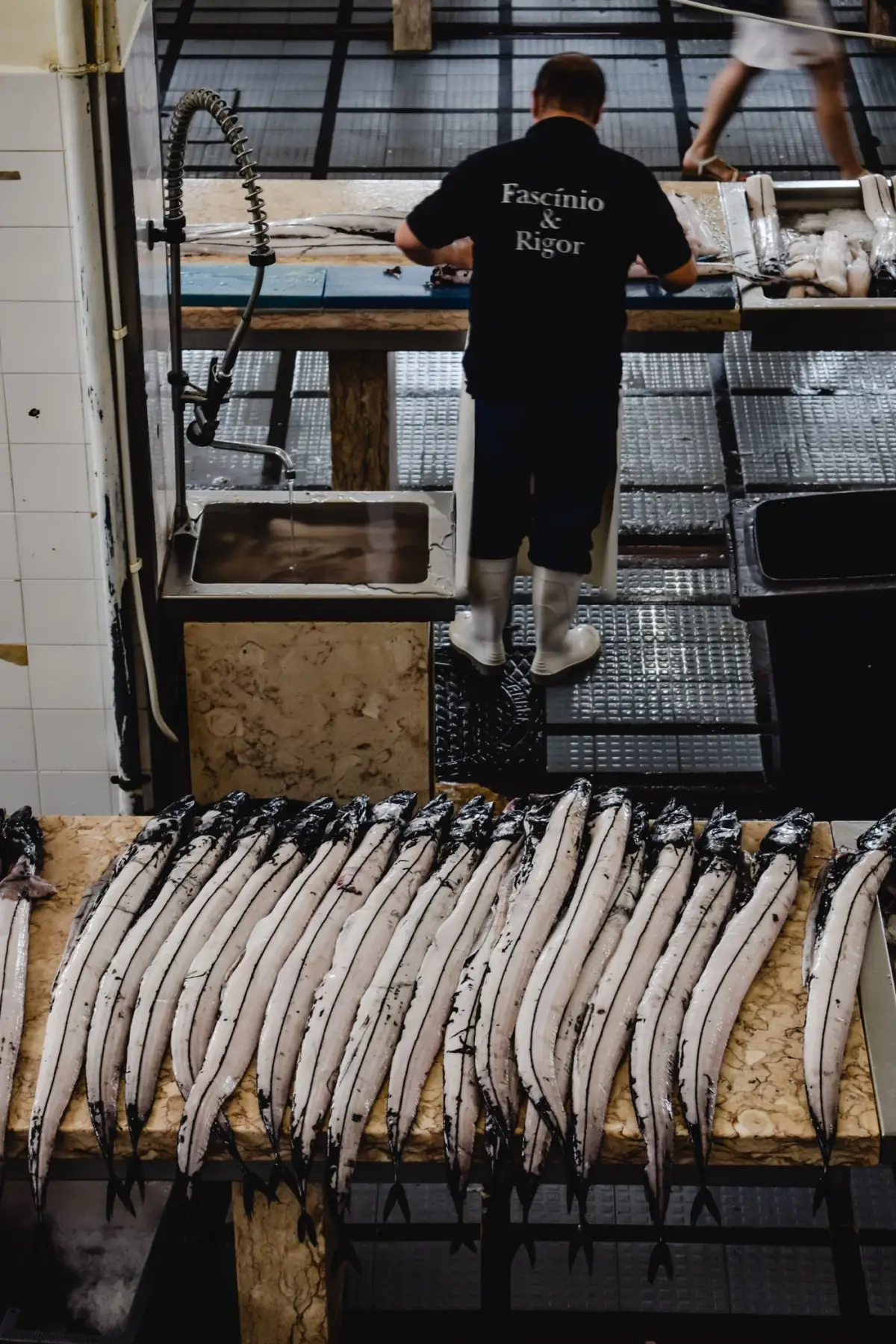
Olhão, Santa Luzia and the Ria Formosa form the Algarve's seafood triangle because this is where production and consumption almost touch. Olhão has the region's largest fishing fleet and two twin markets by the lagoon, with fish and seafood arriving from the auction a few hours earlier. The town, with 45,000 inhabitants and 11 km from the airport, is also the boarding point for the islands of Culatra and Armona, where you eat clams and percebes in simple restaurants on the sand.
Santa Luzia is a fishing village of just over 1,500 inhabitants, 29 km from the airport, known as the octopus capital. Its riverfront, facing the lagoon, is a succession of seafood restaurants where octopus is eaten grilled, à lagareiro (with olive oil and garlic) or in salads. A few minutes away, Tavira (26,000 inhabitants, 31 km from the airport) adds more elaborate restaurants and tuna, a legacy of the old tuna-trap industry.
The Ria Formosa is the engine of it all: 60 km of lagoon protected by the ICNF, with warm waters that reach 22 °C in summer and create the ideal environment for the oyster and clam farms. To set this area within your trip, our guide to the Sotavento links the seafood to the islands, the wide-sand beaches and the calmer rhythm of the eastern side of the Algarve.
Which seafood restaurants and beer houses should you not miss?
The best seafood experiences come in three formats: the riverside seafood restaurants of Santa Luzia and the islands, the cervejarias (beer houses) of the towns (Faro, Olhão, Portimão) and the island restaurants with tables on the sand. Each serves a different moment of the trip, and it's worth trying all three to grasp the range of Algarve seafood.
| Type of spot | Where | What to order | Atmosphere |
|---|---|---|---|
| Riverside seafood restaurant | Santa Luzia, Cabanas | Grilled octopus, clams, oysters | Informal, lagoon views |
| Town cervejaria | Faro, Olhão, Portimão | Seafood platter, prawns, crab | Lively, good for groups |
| Island restaurant | Culatra, Armona, Ilha de Tavira | Clams on the sand, percebes | Feet in the sand, relaxed |
| Market eatery | Olhão, Loulé | Grilled fish, catch of the day | Simple, fair price |
We won't recommend names of restaurants we don't know first-hand — that would be empty advertising. The practical rule that works: look for the places full of Portuguese diners at lunchtime, order the seafood of the day (not the frozen kind) and always confirm the price per kilo before ordering, because seafood is sold by weight and the bill climbs fast. In Tavira and Olhão, the best tables are often on the back streets, away from the tourist front.
Where to buy fresh seafood at the markets?
The best markets for buying fresh seafood in the Algarve are the Olhão Market and the Loulé Market, both with stalls supplied by the morning auction. The Olhão one, in two pavilions by the lagoon, is the largest in the region and sells fish, oysters, clams and prawns at the prices of those buying at source. The Loulé one, in a neo-Moorish building in the centre, joins the seafood to inland produce — figs, almonds, cheeses.
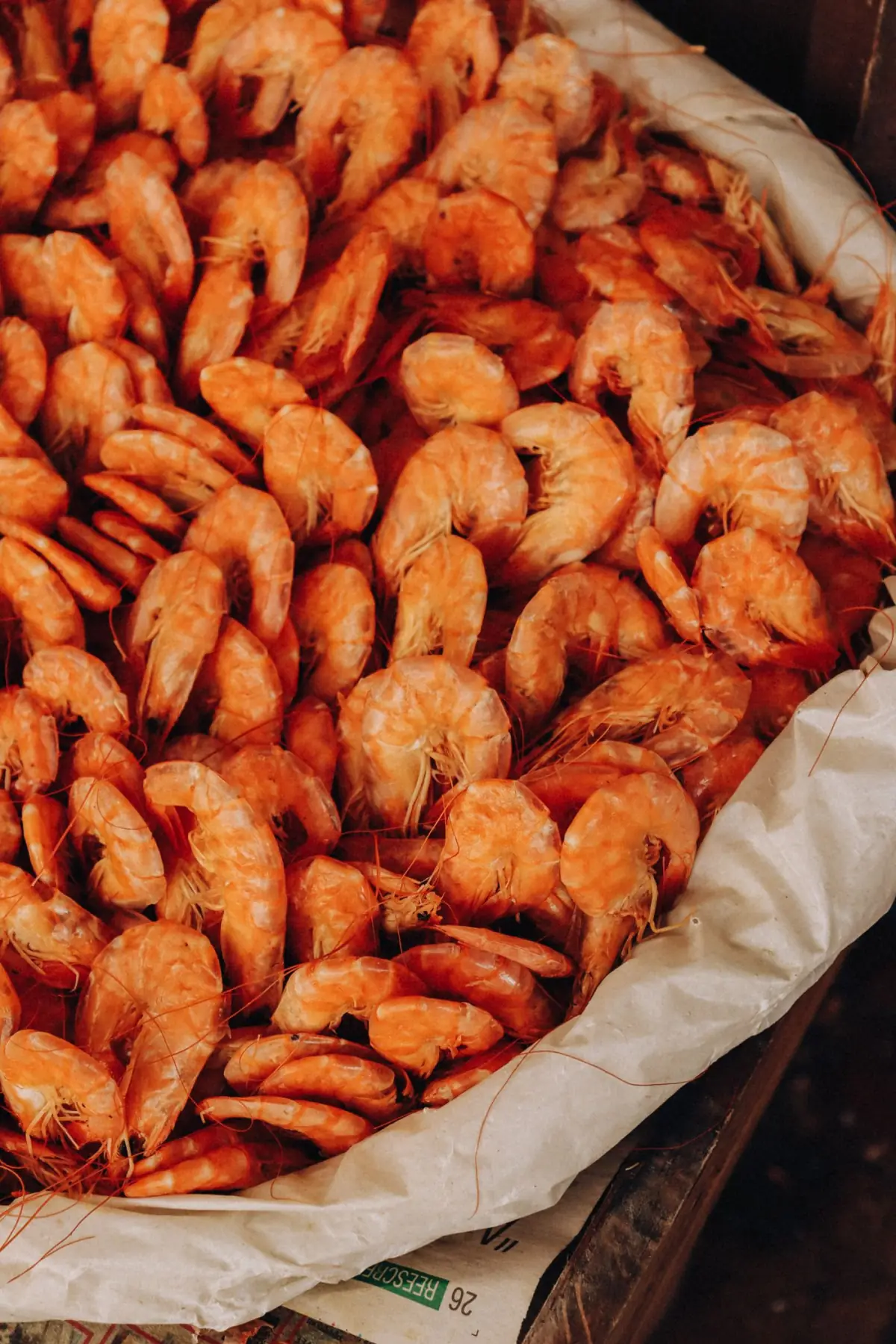
For those staying in a home with a kitchen, the market is the smart move. In Tavira, there's a municipal market by the river; in Portimão, the old sardine quarter keeps neighbourhood fishmongers. The tip is simple: arrive early (the best pieces go before 10am), take a cool bag and ask the fishmonger how to prepare it — they know more than any recipe book.
Buying at the market and cooking at home is also the cheapest way to eat seafood on holiday. A clam cataplana made in the home's kitchen costs a fraction of what it does at a seafood restaurant, and the raw ingredient is exactly the same.
What's the best season for each seafood?
The best season for Algarve seafood depends on the species: oysters are at their peak in the colder months (September to April), percebes are gathered mainly in winter and early spring, and prawns and clams are good almost all year round. The old rule that oysters are only good in months with an "r" in the name still makes sense: it's when the water is colder and the shellfish firmer.
| Seafood | Best season | Main area |
|---|---|---|
| Oysters | September to April (cold months) | Ria Formosa, Santa Luzia |
| Clams | Spring and summer | Ria Formosa, Tavira |
| Percebes | Winter and early spring | Costa Vicentina, Sagres |
| Coastal prawns | Almost all year round | Algarve coast |
| Octopus | Summer and autumn | Santa Luzia, Sotavento |
This calendar is indicative and shifts with the weather and the harvesting rules, which the ICNF and the maritime authority adjust to protect the banks. If you travel off-season, don't be disappointed: seafood is available almost all year, and there's always something fresh on the stall. To match your trip with the best weather and sea conditions, see when to book holidays in the Algarve.
Where to stay for a seafood trip in the Algarve?
For a trip dedicated to seafood, stay in the Sotavento, near Santa Luzia, Tavira or Olhão — that way you have the farms, the markets and the seafood restaurants on hand and can buy fresh every day. A home with a fully equipped kitchen is worth its weight in gold in this area: it lets you bring clams from the market in the morning and make the cataplana at night, without depending on restaurants or their hours.
In our inventory, two 1-bedroom apartments with a pool in Santa Luzia are a few minutes from the seafood-restaurant riverfront, perfect for a couple on a food getaway. Those travelling as a family or in a group will find a 3-bedroom apartment in Tavira, a short distance from the market and the historic centre, and also a 4-bedroom apartment in Portimão, a practical base for those who want to combine the Barlavento seafood with the percebes of the Costa Vicentina.
Real-time availability and prices on Homing — book direct, cheaper than Booking, Airbnb and Hotels.com. Click «See dates and price».
These homes are booked direct on Homing, our official partner, which comes out cheaper than Booking, Airbnb and Hotels.com — with no platform commission and no hidden fees, with support in Portuguese, English, French and Spanish. If you'd rather stay in the Barlavento, our guide to Alvor shows a charming fishing village where fish and seafood also rule, 57 km from the airport. Always confirm the dates and the price on each home's page before you commit.
How to organise two or three days of seafood in the Algarve?
The most efficient way to organise a seafood trip is to dedicate a day to each axis: a day of market and cooking at home, a day of riverside seafood restaurant and a day of island. This split gives you variety without rushing and leaves time for the beach and for rest, which are also part of the holiday.
- Day 1 — Market and cooking: buy clams, prawns and oysters at the Olhão Market in the morning and make a cataplana at the home in the evening.
- Day 2 — Riverside seafood restaurant: a grilled-octopus lunch in Santa Luzia, with a view over the lagoon, and a late afternoon in Tavira.
- Day 3 — Island: a boat to Culatra or to the Ilha de Tavira and clams at a feet-in-the-sand restaurant.
To reach these areas, the car is the most practical, but Olhão, Tavira and Faro have a train station on the Algarve line, which lets you move around without driving. If you want to extend the trip beyond the plate, combine this route with our 7-day itinerary or with the most beautiful beaches in the Algarve — because seafood tastes better after a day at sea. And to compare accommodation costs by area, see how much it costs to rent a holiday home in the Algarve.
Sources and references
- Turismo do Algarve (Visit Algarve) — https://www.visitalgarve.pt/
- ICNF — Parque Natural da Ria Formosa — https://www.icnf.pt/
- Wikipedia — Ria Formosa — https://pt.wikipedia.org/wiki/Ria_Formosa
- Wikipedia — Algarve — https://pt.wikipedia.org/wiki/Algarve
- Docapesca — Lotas do Algarve — https://www.docapesca.pt/
Original editorial article by Maré Algarve, based on official sources (Turismo do Algarve, ICNF, ABAE/Blue Flag, IPMA, INE) and on our experience of holiday rentals in the Algarve. Prices and availability vary — always check each property's page.