
Algarve cooking rests on three pillars: the fish and seafood of the Atlantic, the flavours of the Serra de Monchique and the interior, and an almond, fig and egg confectionery inherited from the Moors. The dishes below are the ones that best sum up that identity and that you find, with variations from town to town, in taverns and restaurants from Sagres to Vila Real de Santo António.
The list runs from the sea to the sweets. Each dish brings what sets the Algarve version apart, where to try it and a practical note for those cooking in the holiday home, with the right markets for the raw ingredients.
What must you really try in the Algarve?
Anyone visiting the Algarve for the first time should try, at the very least, a cataplana de marisco (seafood copper-pan stew), sardinhas assadas (grilled sardines) and an almond sweet — the three sum up the sea, the grill and the Arab heritage that shape the region's cooking. Everything else, from xerém to the oysters of the Ria Formosa, revolves around these axes. The list that follows has twelve dishes, organised from the sea to the sweets, with what to order and where to find each one.
The Algarve doesn't have one cuisine, it has three. In the Barlavento, from Lagos to Sagres, open-sea fish and the shellfish of the rocky coast dominate. In the Centre, between Albufeira and Loulé, seafood joins a more cosmopolitan offer. In the Sotavento, from Faro to Vila Real de Santo António, the Ria Formosa, the oysters, the octopus and the brackish-water dishes rule. This division explains why the same dish changes name and seasoning depending on the town.
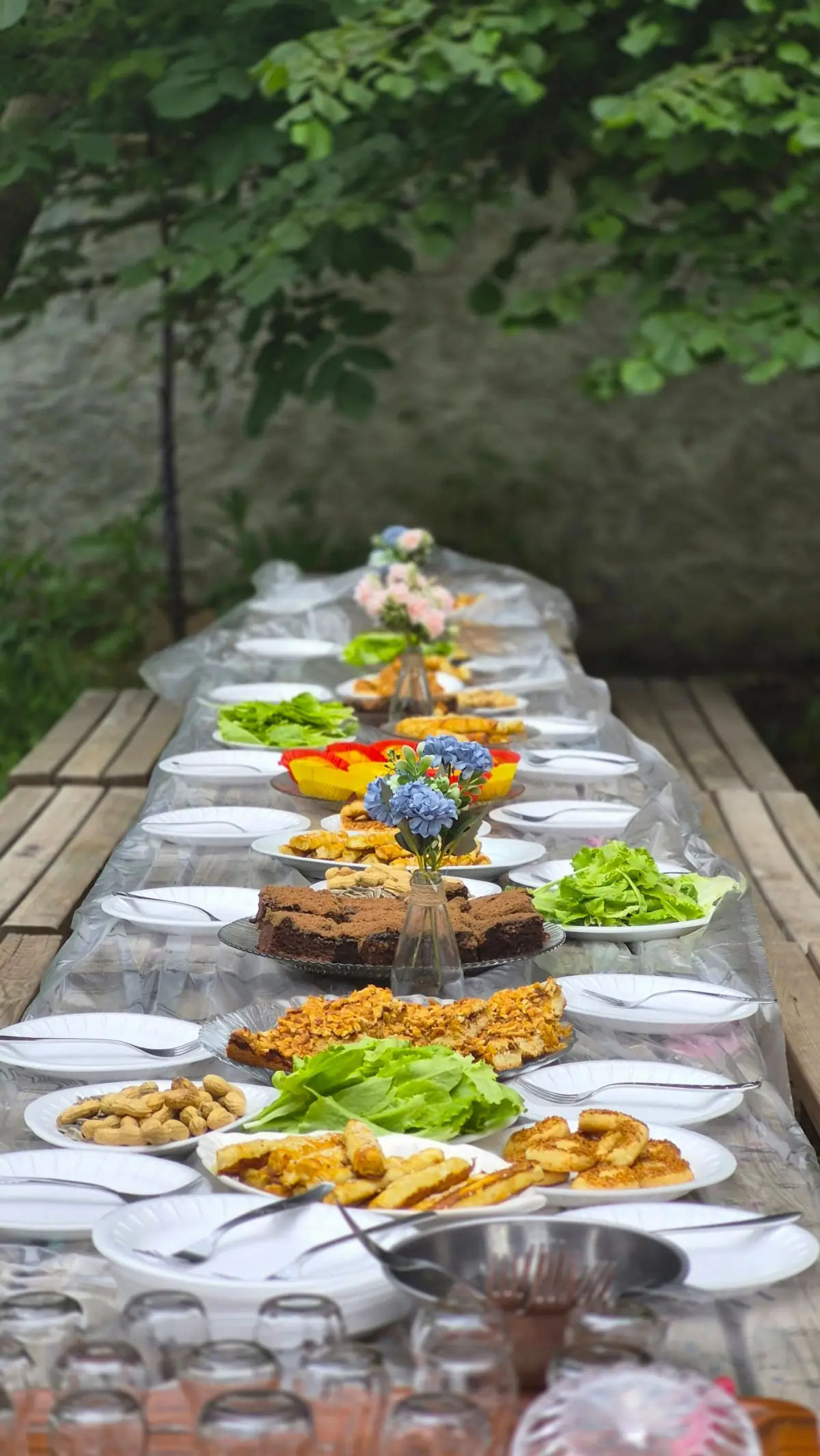
Before we go on, a planning note: most of these dishes are cheaper and tastier away from the tourist restaurants on the seafront. It's worth moving a street or two back, seeking out the neighbourhood taverns and the municipal markets. Anyone staying in a home with a kitchen can also buy the fish at the fish market and cook it, as explained at the end of this guide.
The great dishes of the sea
The dishes of the sea are the heart of Algarve cooking. Four of them are unmissable: the cataplana, the grilled sardines, the xerém with conquilhas and the octopus rice of the Sotavento. They all start from the catch of the day and nearly all are eaten around a sharing table.
1. Cataplana de marisco
The cataplana is the Algarve's most emblematic dish and takes its name from the copper vessel, shaped like a hinged shell, in which it's cooked. The pan closes hermetically and cooks with steam, which concentrates the flavours of the seafood, fish, chouriço, pepper and coriander without anything evaporating. The most common versions are the seafood one and the clam one, but there are cataplanas of monkfish, of fish and even of pork.
It's worth it for being a celebration dish, made for two to four people, and for letting you grasp the richness of the Algarve sea in a single meal. The confraria (brotherhood) that promotes it is based in Portimão, and it's in that municipality and the Albufeira area that you find some of the best versions. Tip: ask for the cataplana to be opened at the table — the aroma that escapes on the first opening is part of the experience.
2. Sardinhas assadas
Sardines grilled over coals are the Algarve's summer dish and set the region's food calendar. The sardine is at its peak between June and October, when it gains fat, and it's then that the streets of the towns fill with the smell of fish on the grill. They're eaten with bread, grilled peppers and boiled potato, and the local rule is simple: the simpler, the better.
It's worth it for the freshness and the price — it's one of the cheapest and most genuine dishes on the coast. Look for the popular festivals of June, above all the Santos Populares, and the neighbourhood restaurants of Portimão and Praia da Rocha, where the sardinhada (sardine grill-up) is almost a ritual. Out of season, the sardine is tinned or frozen and loses a lot — in that case, switch to horse mackerel or sea bream.
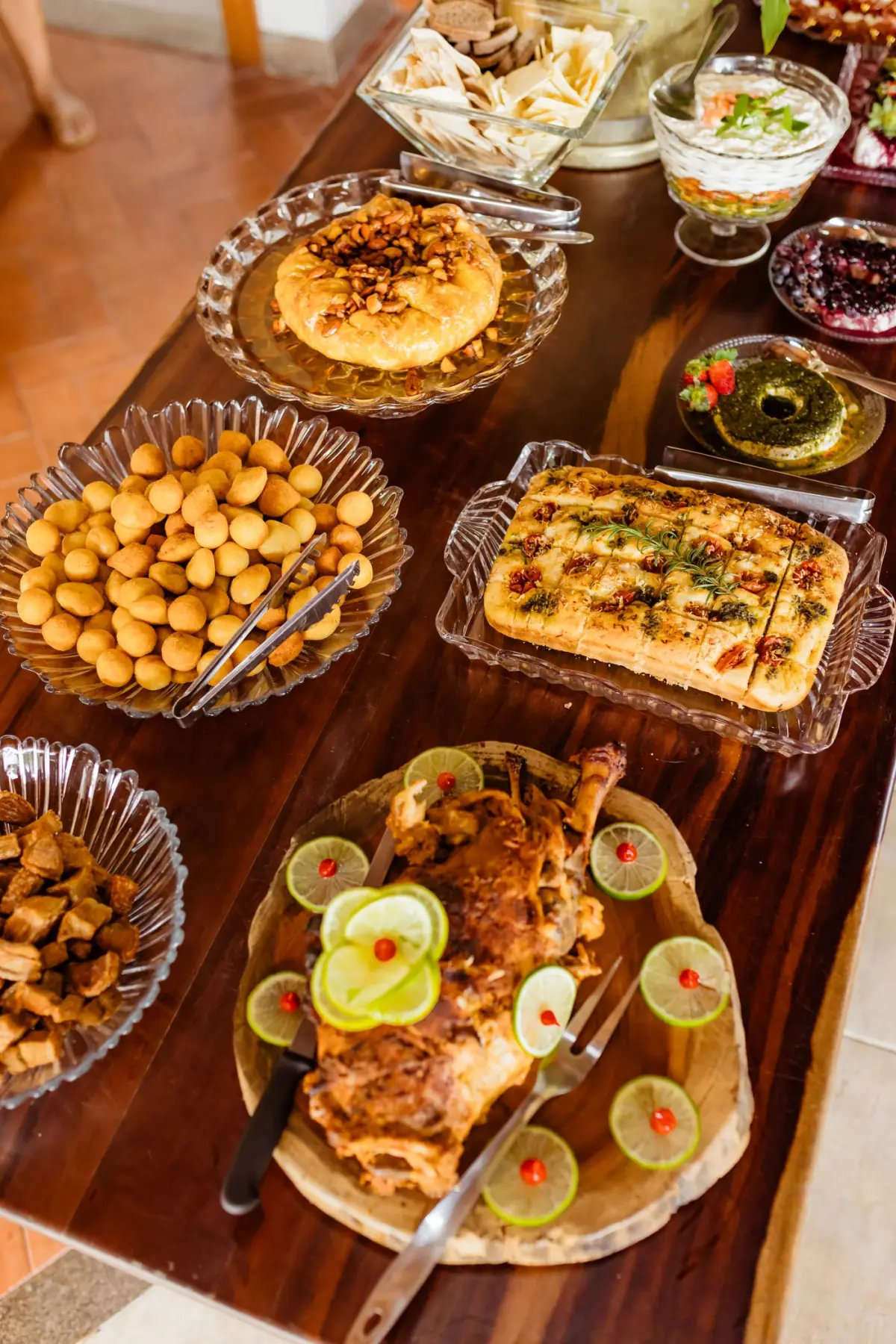
3. Xerém with conquilhas
Xerém is a coarse cornmeal porridge, a relative of polenta, and is the most typical cornmeal dish of the Algarve. It's served two ways: with conquilhas (small coastal clams) or with sausage and ribs, in the meat version. The creamy texture balances the saltiness of the shellfish, and the result is a comfort dish that fills and warms.
It's worth it for being authentic and rare to find outside the region — it's a dish that has barely left the Algarve. Look for it in the taverns of the Sotavento, from Olhão to Faro, and in the fishermen's areas. The conquilhas are gathered at low tide on the sandy beaches, which ties the dish to the Ria Formosa and the barrier islands.
4. Octopus rice and açorda
Octopus is the king of the Sotavento table, and Santa Luzia, next to Tavira, is known as Portugal's octopus capital. It's prepared as arroz malandro (soupy rice), as açorda with bread and coriander, or simply à lagareiro, roasted with smashed potatoes and plenty of olive oil. The traditional fishing is done with covos, clay traps set on the seabed, at the entrance to the Ria Formosa.
It's worth it for the direct link to the land: you eat octopus right by the place where it was caught. Just a few minutes' drive from Tavira, Santa Luzia lines up restaurants facing the lagoon where octopus rice is the speciality. Anyone staying in Cabanas de Tavira has all this on their doorstep. It's a heavy dish, ideal for lunch.
The meat and hill dishes
Away from the coast, the Serra de Monchique and the Algarve interior have a meat and cured-sausage cuisine little known to beach tourists. Three dishes sum it up: piri-piri chicken, black pork, and the ham and cured sausages of Monchique.
5. Piri-piri chicken
Piri-piri chicken is the best-known Algarve dish abroad, and its origin is tied to the region itself, where piri-piri (the small hot chilli) was always grown. The chicken is spatchcocked, marinated in garlic, olive oil, lemon and piri-piri, and grilled over coals until the skin turns crisp. It's served with chips and salad — simple and cheap.
It's worth it for the value and for being a sharing dish without ceremony. The neighbourhood grill houses of Quarteira and Albufeira serve it constantly, and many sell it to take away — the perfect solution for an easy dinner at the holiday home. Say if you want it more or less spicy: the local piri-piri isn't for everyone.
6. Carne de porco à alentejana
Despite the name, carne de porco à alentejana (pork Alentejo style) is a classic of Algarve tables, and it combines two worlds: cubes of marinated pork with clams, in a sofrito of red-pepper paste, garlic and coriander. The meeting of meat and seafood on the same plate is typical of southern cooking and surprises those who try it for the first time.
It's worth it for being tasty, easy to find in any tavern and for showing the Algarve taste for joining land and sea. You'll find it in traditional restaurants in Silves and the interior, where pot cooking still rules. The cubed chips that come with it soak up the sauce — don't leave them on the plate.
7. Ham and cured sausages of Monchique
The Serra de Monchique, in the municipality of Monchique, is the Algarve's meat larder. The black-pork ham, the chouriço, the morcela and the paio cure in the fresh mountain air, about 65 km from Faro airport and well above sea level, which gives a climate different from the coast. They're tasted sliced, as a starter, or in feijoada and cozido dishes.
It's worth it for the change of scenery and palate: heading up to Monchique means swapping the beach for the mountain in half an hour by car. Take the chance to try the medronho, the spirit of the hills, and the chestnuts in autumn. It's the perfect complement to a beach day in the Barlavento, above all for those with a home in Alvor or Lagos.
The titbits and starters
Between the main dishes, the Algarve table lives on seafood titbits and shellfish. Two are not to be missed: the oysters and clams of the Ria Formosa and the percebes (goose barnacles) of the Costa Vicentina. They're served as a starter or a light meal, washed down with cold white wine.
8. Oysters and shellfish of the Ria Formosa
The oysters of the Ria Formosa are one of the Algarve's greatest food surprises, and few tourists know that the region exports oysters to neighbouring France. They're farmed in the beds of the lagoon's calm, warm waters, between Faro and Tavira, and eaten raw, with a drop of lemon. Alongside them, the clams à Bulhão Pato — opened in garlic, olive oil, white wine and coriander — are the king of titbits.
It's worth it for the freshness and the price, far lower than in the great European oyster destinations. Olhão, about 11 km from the airport, is the best starting point: the town market sells live shellfish, and the marina restaurants serve it minutes later. Anyone staying in Santa Luzia has the oyster beds on their doorstep.
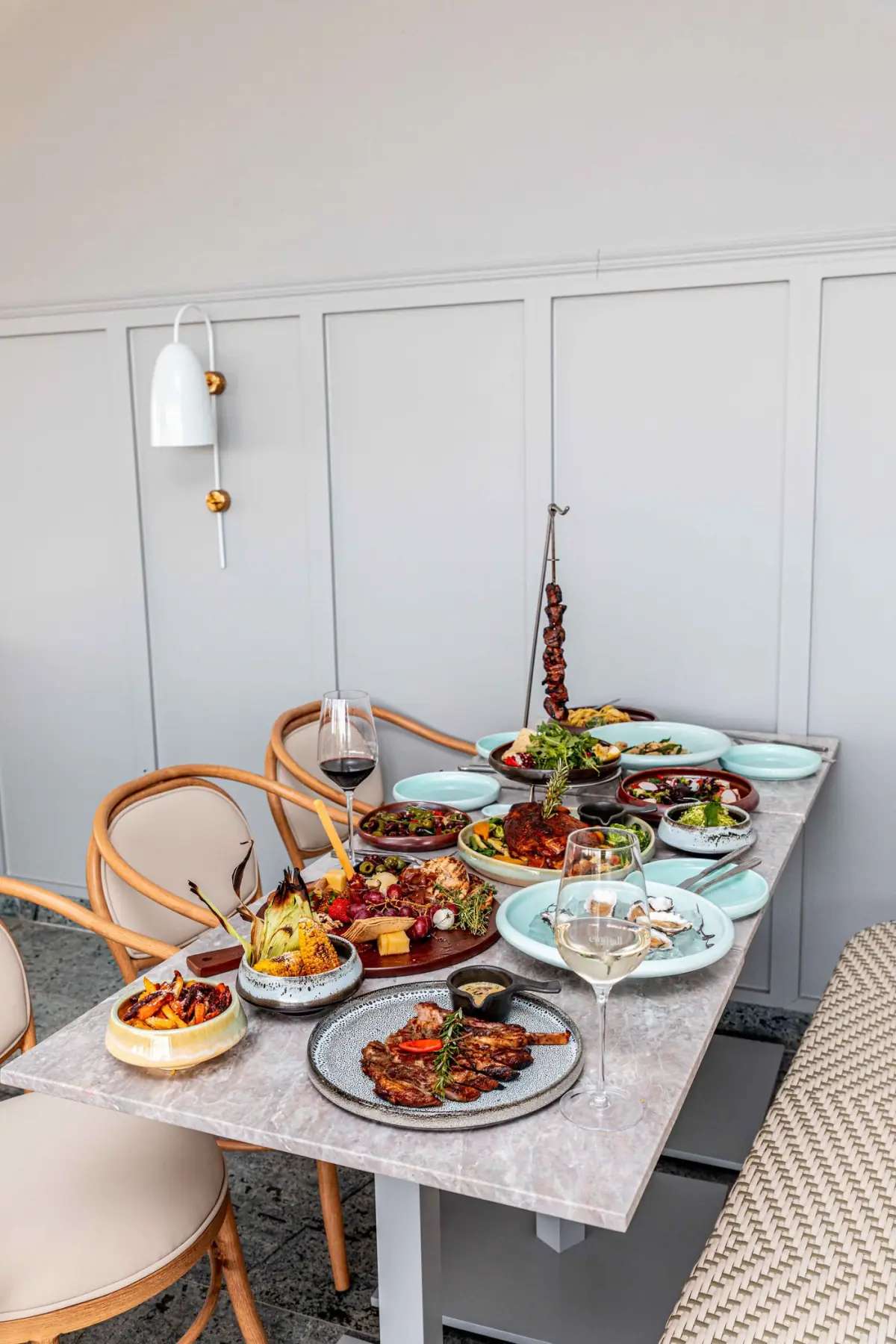
9. Percebes of the Costa Vicentina
Percebes (goose barnacles) are the Algarve's wildest titbit, gathered by hand on the rocks battered by the sea of the Costa Vicentina, in the Barlavento. The gathering is dangerous, which explains the high price, but the intense sea flavour makes up for it. They're eaten boiled in seawater, plain, and the technique of opening them is part of the ritual.
It's worth it for those who want to taste the wilder side of the coast. They're found above all in Sagres and along the west coast, near the wildest beaches of the Algarve. As they're expensive and seasonal, check the price per kilo before ordering — it's usually by weight, not by portion.
The traditional confectionery of the Algarve
The confectionery of the Algarve is one of the richest in Portugal and springs from the Arab heritage: almond, fig, carob and plenty of egg yolk. Three sweets sum up that tradition — the dom-rodrigo, the morgado and the queijo de figo (fig cake). They're enjoyed all year round, with coffee or as dessert.
10. Dom-rodrigo
The dom-rodrigo is the most famous convent sweet of the Algarve, made of egg threads, grated almond and sugar, wrapped individually in coloured silver paper and twisted at the ends. The presentation, almost like a boiled sweet, makes it a typical gift to take from the region. It's sweet and intense, made to go with a strong coffee.
It's worth it for the link to the convent tradition and for being easy to carry. It's sold in pastry shops and traditional sweet houses in almost every town, with a focus on the Almancil and Vilamoura area. Buy a few for the holiday home: they keep well out of the fridge and solve dessert.
11. Morgado and queijo de figo
The morgado and the queijo de figo (fig cake) are the sweets that best show the Moorish heritage of the Algarve, both based on dried fig and almond. The morgado is a dense almond paste, sometimes covered with doce de gila (squash jam); the queijo de figo is a dark cake of chopped figs with almond, cinnamon and fennel, moulded into a cheese shape and cut into slices. Neither contains milk, despite the name ("queijo" means cheese).
It's worth it for being authentic and for lasting weeks, which makes it the best edible souvenir of the region. You'll find it in the markets and fairs of the interior, above all in the Silves and Loulé area, where the almond and fig trees are part of the landscape. A thin slice at the end of the meal is enough — it's very concentrated.
12. Almond sweet and Algarve folar
The almond tree in blossom is one of the Algarve's showpieces at the end of winter, and the almond goes into dozens of sweets, from sugared almonds to almond cakes moulded into figures. At Easter, the Algarve folar joins in, a sweet bread with a whole boiled egg, and throughout the year there are the almond cakes and the doce-fino, almond paste moulded by hand into tiny fruit and vegetables.
It's worth it for showing the creativity of the local confectionery, which turns the almond into an art. The legend of the almond tree — planted by a Moorish king to cheer his Nordic princess with flowers that looked like snow — is told all over the Algarve and explains the place of the almond at the table. To get to know the confectionery in depth, see our guide to the sweets of the Algarve.
Where to try each dish
Each dish has its geography in the Algarve, and knowing where to look avoids the tourist traps. As a rule: seafood and shellfish in the Sotavento (Olhão, Tavira, Santa Luzia), grilled fish and the cataplana in the Barlavento and Centre (Portimão, Albufeira), and meat and sweets in the interior and the hills. The table below sums up the best place for each of the twelve dishes.
| Dish | Type | Where to try (area) |
|---|---|---|
| Cataplana de marisco | Sea | Portimão, Albufeira |
| Sardinhas assadas | Sea | Portimão, Praia da Rocha |
| Xerém with conquilhas | Sea | Olhão, Faro (Sotavento) |
| Octopus rice | Sea | Santa Luzia, Tavira |
| Piri-piri chicken | Meat | Quarteira, Albufeira |
| Porco à alentejana | Meat | Silves, interior |
| Monchique ham | Meat | Serra de Monchique |
| Oysters and clams | Titbit | Olhão, Santa Luzia |
| Percebes | Titbit | Sagres, Costa Vicentina |
| Dom-rodrigo | Sweet | Almancil, Vilamoura |
| Queijo de figo | Sweet | Silves, Loulé |
| Almond sweet | Sweet | All over the Algarve |
To go deeper into the offer by area, our Algarve food guide links each flavour to the right town, and the round-up of best restaurants in the Algarve helps you choose where to book a table. For seafood lovers, the guide to where to eat fresh seafood in the Algarve is worth a look.
Cooking these dishes in your holiday home
The cheapest and tastiest way to eat these dishes is to cook them in your own holiday home, with raw ingredients from the local markets. An apartment with a fitted kitchen lets you buy fish at the morning market and grill it for lunch — something impossible in a hotel. It's also the ideal solution for families and for longer stays, where eating out every day weighs on the budget.
The best supply points are the municipal markets of Olhão and Loulé, both open in the morning, and the fishermen's fish markets along the coast. At the market you buy fish, live shellfish, seasonal fruit, the queijo de figo and the ready-made almond confectionery. For the cataplana, there are copper vessels for sale in the craft shops — taking one home is the best edible souvenir of the region.
The Maré Algarve homes in the Golden Triangle have a fitted kitchen and sit minutes from the markets. In Vilamoura, about 15 km from Faro airport, there are apartments with a pool ideal for couples; in Quarteira, next to the beach and the market, and in Armação de Pêra, in the Centre, a few steps from the sand. Booking direct on Homing, the official partner, you pay less than on Booking, Airbnb or Hotels.com — with no platform commission or hidden fees, and support in Portuguese.
Real-time availability and prices on Homing — book direct, cheaper than Booking, Airbnb and Hotels.com. Click «See dates and price».
Whichever home you choose, having a kitchen changes the experience: it turns a trip to the Olhão market into a whole afternoon and a simple octopus rice into a moment of the journey. It's worth booking ahead for high season, when the best homes with a pool sell out early.
Sources and references
- Turismo do Algarve (Visit Algarve) — https://www.visitalgarve.pt/
- Wikipedia — Algarve — https://pt.wikipedia.org/wiki/Algarve
- Wikipedia — Cataplana — https://pt.wikipedia.org/wiki/Cataplana
- Wikipedia — Ria Formosa — https://pt.wikipedia.org/wiki/Ria_Formosa
Original editorial article by Maré Algarve, based on official sources (Turismo do Algarve, ICNF, ABAE/Blue Flag, IPMA, INE) and on our experience of holiday rentals in the Algarve. Prices and availability vary — always check each property's page.