
The Algarve has dozens of municipal markets that open early in the morning, Monday to Saturday, and a schedule of food festivals concentrated between May and September, with the sardine in Portimão, the seafood in Olhão, and craft beer and medronho marking the summer. Buying fish or fruit at a market almost always costs less than at a supermarket in a tourist area, and the festivals are the cheapest way to taste dozens of regional dishes in a single weekend.
This guide lays out what's worth it month by month, with the reference markets of each municipality and where to stay nearby to arrive on foot or in a few minutes by car.
What makes the Algarve's markets different?
The Algarve's markets are growers' and fish-auction markets, not attractions staged for tourists. The fish arrives from the local fleet first thing in the morning, the fruit comes from the inland market gardens, and the almond and fig sweets follow recipes centuries old. That's why a municipal market on a weekday shows the real Algarve better than any summer seafront.
Geography explains the offer. In the Sotavento, the closeness of the Ria Formosa fills the stalls with oysters, conquilhas, clams and tuna; in the inland towns, such as Silves and Monchique, it's the medronho, the honey, the cured ham and the orange that rule. A route through the Sotavento and one through the Barlavento make for two different larders.
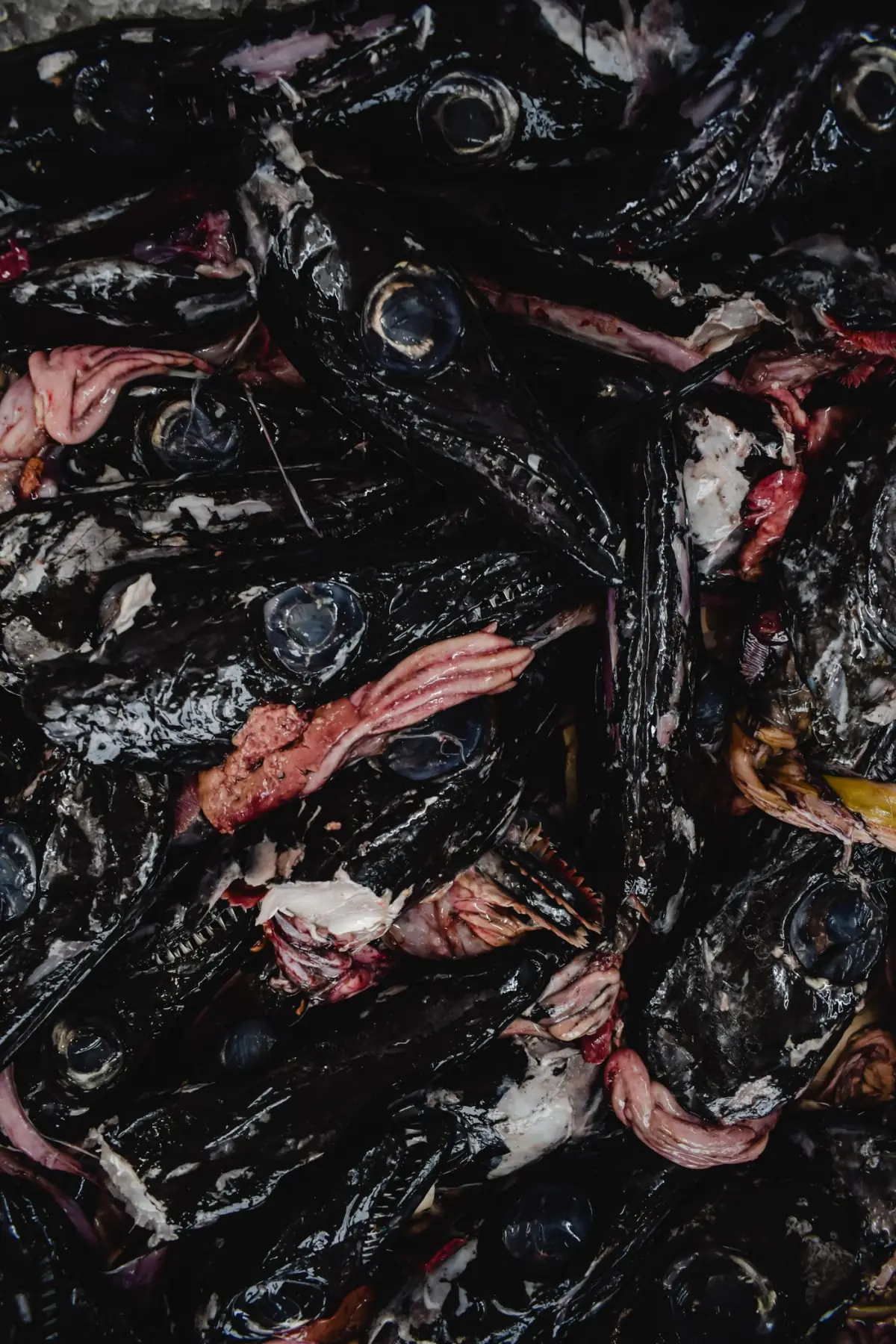
There's also a practical divide worth grasping before you plan: the covered municipal markets open almost every day and sell fish, meat, fruit and vegetables; the monthly open-air feiras take place on fixed days of the month and bring together cheeses, cured meats, crafts and plants. Knowing which is which spares you arriving at an empty square on a day when the feira isn't on.
What are the main municipal markets in the Algarve?
The reference municipal markets are Olhão's and Loulé's, but every municipality has its own, with fish and fresh produce. The one in Olhão, in two brick pavilions by the lagoon, is the largest fish market in the Algarve and runs Monday to Saturday, with Saturday morning also drawing producers from out of town. Olhão sits about 11 km from Faro Airport, which makes it an easy stop on the very first day.
The Loulé Market and the markets of the Centro
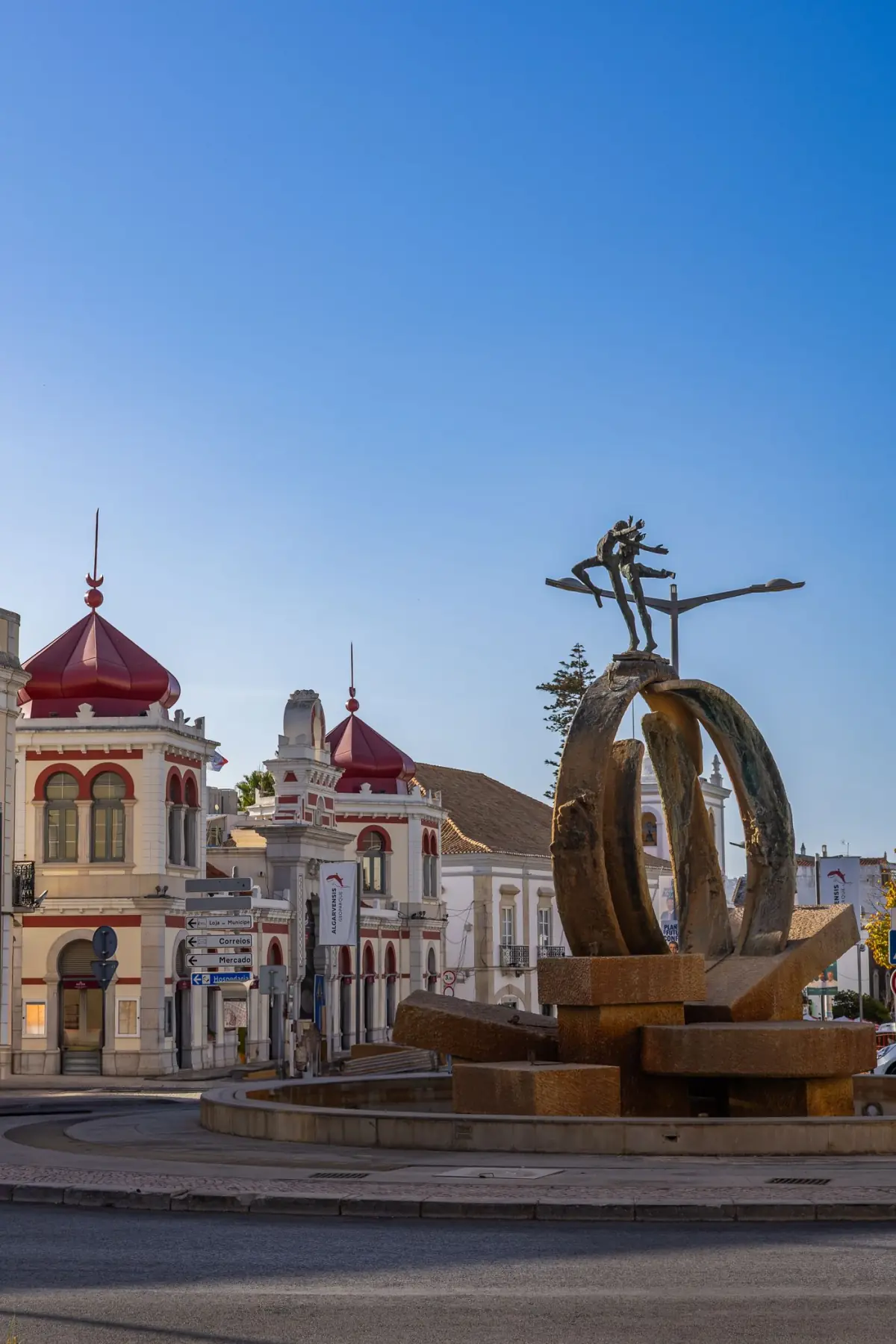
The Loulé Municipal Market occupies a neo-Arab-inspired building opened in 1908, with domes and horseshoe arches, and is among the most photographed in the region. It opens Monday to Saturday morning and, on Saturdays, spreads out into the surrounding street market. A few kilometres away, Almancil and Quarteira also have their own markets, handy for those staying in the Golden Triangle.
Tavira, Faro and Portimão
Tavira has a covered market beside the Gilão river, and neighbouring Santa Luzia, the octopus capital, lives off small-scale fishing. Faro, 3 km from the airport, has its municipal market in the riverside area, and Portimão keeps its market by the old fish-auction zone, where the fame of the grilled sardine was born.
| Market | Municipality | Coast | Strong in |
|---|---|---|---|
| Olhão Market | Olhão | Sotavento | Fish, seafood, oysters |
| Loulé Market | Loulé | Centro | Fruit, vegetables, sweets |
| Tavira Market | Tavira | Sotavento | Fresh fish, octopus |
| Faro Market | Faro | Sotavento | Fish, regional produce |
| Portimão Market | Portimão | Barlavento | Sardine, sea fish |
| Silves Market | Silves | Centro | Orange, honey, medronho |
These hours and days vary over the year and on public holidays, so always check with the parish council or the municipality before setting off. The rule that never fails is simple: for fish, arrive early; for the atmosphere, stay until the mid-morning coffee.
When do the Algarve's food festivals take place?
Most of the Algarve's food festivals happen between May and September, peaking in July and August, when the warm nights and the crowds justify the big seafood and sardine events. There are, even so, off-season events, mainly tied to sweets, the orange and the medronho, that fill spring and autumn weekends inland.
For anyone travelling with the calendar of when to book your Algarve holiday in mind, there's an important detail: a big festival pulls up demand for accommodation in the surrounding town. In August, with the Festival do Marisco de Olhão under way, the homes in Olhão and nearby fill up, so booking ahead makes a difference to the price.
The largest-scale festivals
- Festival do Marisco de Olhão — August, by the lagoon. The region's largest seafood event, with stalls of clams, oysters and shrimp and concerts at night.
- Festival da Sardinha de Portimão — August, in the riverside area. Sardine grilled on the spot, in the cradle of the Algarve sardine.
- Feira de Santa Iria (Faro) — October, the oldest popular fair, with fairground food, farturas and sweets.
- Convent-sweet fairs and showcases — in several towns, with the dom rodrigo, the morgado and the almond and fig sweets taking pride of place.
The exact dates change from year to year and are set by the municipalities, so always check the current year's schedule. The pattern holds reliably: seafood and sardine in summer, sweets and inland produce across the rest of the calendar.
What to taste at each market and festival?
What to taste depends on the area, and that's why it pays to follow several markets. In the Sotavento, go for oysters and conquilhas from the Ria Formosa, tuna from Tavira and the octopus from Santa Luzia; in the Barlavento, for the Portimão sardine and the open-sea fish; inland, for the cured ham, the goat's cheese, the honey and the medronho from Monchique. Our guide to what to eat in the Algarve goes deeper into each dish.
Seafood, fish and the Ria Formosa
The Ria Formosa is the Algarve's seafood larder, and you can tell from the stalls of Olhão and Faro. The oysters and clams come from the lagoon itself, and the conquilhas are the starter that defines the local summer. Those wanting to go beyond the market will find tables and tascas in our guide to where to eat fresh seafood in the Algarve, and can get to know the lagoon in the guide to the Ria Formosa.
Almond, fig and medronho sweets
The Algarve's sweets are born of the almond and the fig, a legacy of the Arab presence, and they're what's left of the festivals once the seafood runs out. The dom rodrigo, the morgado and the figos cheios are the classics, and the medronho liqueur closes any meal. The sweets of the Algarve have a guide of their own for those who want to hunt down the best market treats.
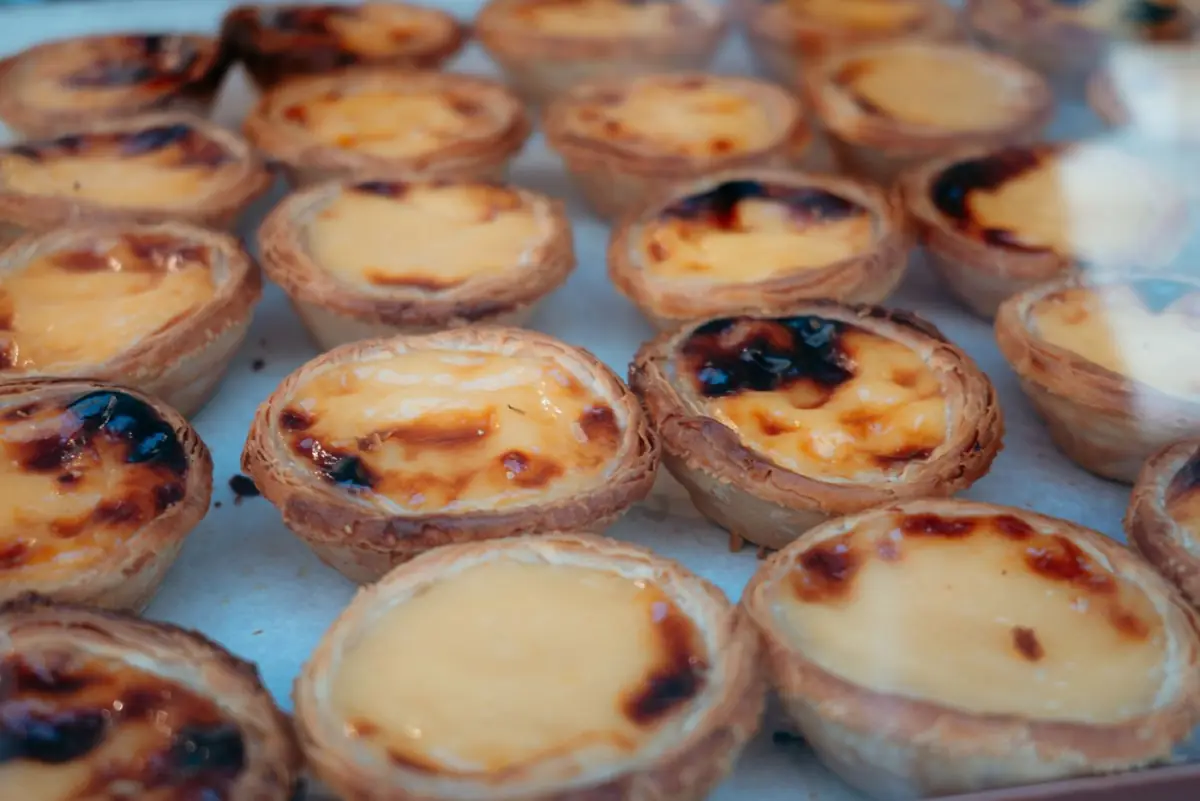
A box of almond sweets travels well home and lasts for weeks, but the best is to taste them fresh, at the stall, with a coffee in the middle of the morning.
Market, supermarket or festival: which pays off?
For fish and regional produce, the market almost always wins on freshness and, away from the more touristy stalls, on price too, because it cuts out middlemen. The supermarket wins on convenience and longer hours, above all for the larder basics. The festival isn't for stocking the home: it's for tasting a lot in one place, with the cost coming from the individual portions and the drinks.
| Goal | Best option | Why |
|---|---|---|
| Fresh fish and seafood | Municipal market in the morning | Freshness from the auction and a price with no middleman |
| Fruit, vegetables and herbs | Market or monthly feira | Seasonal produce, from the local grower |
| Regional sweets and cured meats | Monthly feira / festival | Recipes that don't reach the shops |
| Basic larder and drinks | Supermarket | Longer hours and variety |
| Tasting many dishes in a day | Food festival | Dozens of flavours in a single spot |
The bill works out best when you combine all three: the market for the dinner fish, the supermarket for the rest and a festival at the weekend. Anyone following a family holiday budget knows that cooking what you buy at the market is where the saving shows up.
How to make the most of the markets without stress?
The secret of a good market day is the time and the route. Arriving between 8am and 9am secures the best fish and stalls still full, and parking nearby is easier before 10am. Bring cash, a cool bag for the fish and time for the mid-morning coffee, which is where the town chats.
- Go early: the fresh fish sells out before noon, especially in summer.
- Bring cash and your own bags; many stalls don't take cards.
- Ask the seller about the origin and the best way to cook it — the advice is free.
- Buy fruit and vegetables in season, when they're at their peak of flavour and price.
- Keep the fish in a cool bag if you're not cooking it right after.
At this pace, the market fits into the morning without a rush and there's still time for the beach in the afternoon, with the dinner fish already bought and stored at home.
Where to stay near the best markets in the Algarve?
The best bases for following the markets and festivals are the towns of the Sotavento and the central coast, because that's where the fish and the big summer events concentrate. Olhão is the obvious choice for those who want the fish market at the door and the Ria Formosa alongside; Tavira blends riverside charm and gastronomy; Portimão places you in the cradle of the sardine. Staying in an apartment with a kitchen is what links the market to the table.
In our inventory there are homes a few minutes from these squares. The 2-bedroom apartment in Olhão, at 97 m², sits near the market and the marina; in Tavira, the 3-bedroom apartment at 91 m² suits families who want the market and the centre on foot, and the 2-bedroom apartment with pool in Tavira at 108 m² adds a swim at the end of the day. In Portimão, the 4-bedroom apartment at 70 m² accommodates groups near the sardine area.
Real-time availability and prices on Homing — book direct, cheaper than Booking, Airbnb and Hotels.com. Click «See dates and price».
Booking these homes direct on Homing, official partner of Maré Algarve, comes out cheaper than on Booking, Airbnb or Hotels.com, because there's no platform commission or hidden fees, and support comes in Portuguese, English, French and Spanish. Each listing has the per-night price kept up to date, which varies with the dates — confirm it on each home's page.
How to fit markets and festivals into the itinerary?
The simplest way is to set aside the morning for the market and the afternoon for the beach or a trip out, and leave the festivals for the weekend programme. An Olhão market in the morning fits well with an afternoon on the islands of the Ria Formosa; a Loulé feira on a Saturday links up with an afternoon in Silves or in the Monchique hills.
Anyone putting the trip together will find the full structure in the 7-day itinerary in the Algarve and can cross the market days with beach or hill afternoons. The point is not to try to see everything: two or three well-chosen markets are worth more than a dash through them all.
With a well-placed home as a base and the festival schedule checked from the start, two or three markets and a weekend event are enough to taste the best of the region without the rushing.
Sources and references
- Turismo do Algarve (Visit Algarve) — https://www.visitalgarve.pt/
- Câmara Municipal de Olhão — Mercados — https://www.cm-olhao.pt/
- Câmara Municipal de Loulé — Mercado Municipal — https://www.cm-loule.pt/
- Câmara Municipal de Portimão — https://www.cm-portimao.pt/
- Wikipédia — Algarve — https://pt.wikipedia.org/wiki/Algarve
- Wikipédia — Ria Formosa — https://pt.wikipedia.org/wiki/Ria_Formosa
Original editorial article by Maré Algarve, based on official sources (Turismo do Algarve, ICNF, ABAE/Blue Flag, IPMA, INE) and on our experience of holiday rentals in the Algarve. Prices and availability vary — always check each property's page.